Estate planning is very important to securing your financial future and to ensuring that you are able to provide for loved ones. Pretty much everyone should make it a priority to put an estate plan in place, as you never know when something might happen to you, and you could find yourself incapacitated or could pass away and leave your legacy uncertain.
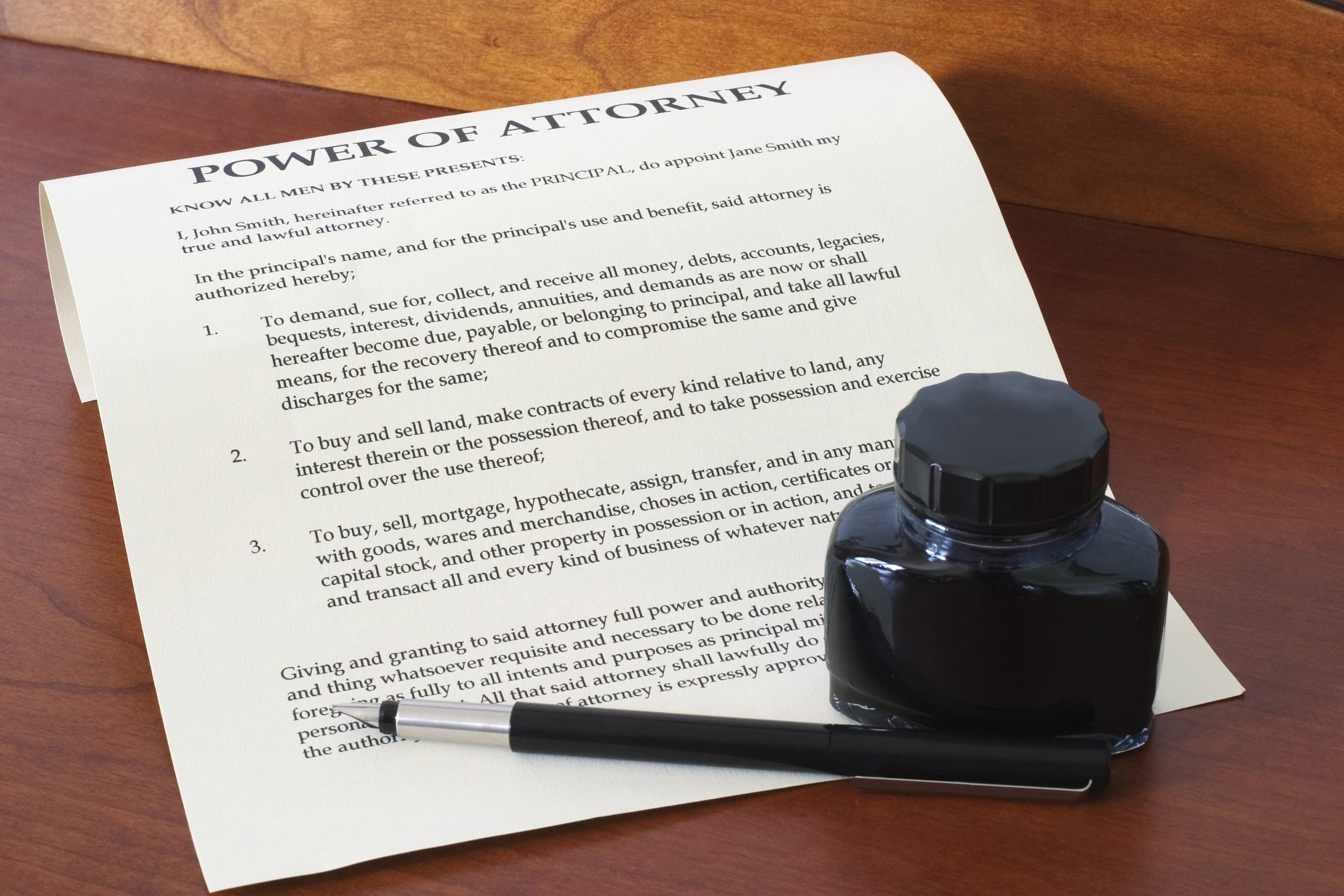
While it’s a good idea for all adults to make sure they have a proper plan in place, there are three key situations where it becomes especially important to ensure that you have taken comprehensive steps to prepare for your potential incapacity and your eventual future death. Here are the three circumstances in which you cannot afford to wait any longer to make a comprehensive estate plan.
1. Don’t put off estate planning when you get a divorce
One of the single most important circumstances when you need to make an estate plan is when you get a divorce. Unfortunately, ending a marriage is a very common occurrence. According to Forbes Advisor, in 2022, a total of 673,989 divorces and annulments took place in the 45 U.S. states that report this statistic.
If you get a divorce, you need to put plans in place because when you are no longer married, you no longer have a “default” person for a lot of important things. For example, if you die with a spouse and no kids, your spouse typically inherits. If you become incapacitated and can’t speak for yourself, your spouse is usually the person who makes medical decisions for you by default if you have not put any other advanced plans in place. And, if you die and you have kids or companion animals, your spouse usually takes care of your children and pets.
Estate planning in the midst of an ongoing divorce proceeding is possible, but there are key factors that must be considered. A major factor is the automatically imposed restrictions concern assets of the marriage. While the full implementation of an estate plan may not be possible before a final judgment has been entered in the divorce proceeding, alot can be done to ensure that assets don’t unwittingly get left to your soon to be ex-spouse.
Once you are divorced, though, there is no longer that default person who is assumed to be your heir and your voice, nor do you necessarily have a joint owner who can manage your assets. While your ex still may take custody of your children if you die — assuming they are shared children and your spouse has the interest and capacity in doing so — your ex is not typically going to be the person making life and death decisions or getting your possessions.
With no easy and automatic default person fulfillfing this important role and taking on these tasks, you need to decide who is going to act as your healthcare proxy, who should have power of attonrey, whos hould inherit your wealth and, if your ex can’t take your children or pets, who is going to serve as the guardian for those who you leave behind. Making an estate plan allows you to take control over these important issues.
2. Make plans right away when you have a child
When you have a child, it becomes essential to make an estate plan right away. There are a few reasons for that.
For one thing, if something happens to you and the child’s other parent, you want to be clear about who should take custody. You do not want a custody battle during a time of grief and uncertainty for your child, and you do not want to end up in a situation where the court appoints custody to someone who is different than the person you would have preferred to raise your kids if you can’t.
Raising children can also be very expensive, so you’ll want to make sure you have a plan in place to provide financially for your children if you do not live until their adulthood. This plan should include provisions for what happens to their inheritance when they turn 18, as chances are good, you do not just want them to receive a larger inheritance than you leave behind at such a young age with no strings attached.
As soon as your child is born, it becomes time to set up a plan, choose a guardian, potentially get life insurance, and make a will or trust that protects your child’s inheritance. Don’t wait, as you don’t want to be caught unprepared if you become incapacitated or pass away.
3. Don’t delay when you are worried about your health
Lastly, if you are experiencing health issues, you should make an estate plan ASAP. That way, if something happens to you and you become unable to express your preferences for medical care or you pass away, you’ll have set your instructions in place and will still have as much control as possible over your future.
Get help with estate planning today
We can work with you to ensure that you have a comprehensive estate plan in place in these and other situations, so your legacy is not left to chance and your loved ones are provided for.
To find out more, give us a call at (916) 437-3500 or contact us online to schedule a consultation to make sure that you have your comprehensive estate plan in place when you need it most.

- National Make-a-Will Month - August 1, 2026
- How Do Estate Planning Techniques Support Long Term Goals - March 27, 2026
- The Seedier Side of the Holiday Season - December 22, 2025
