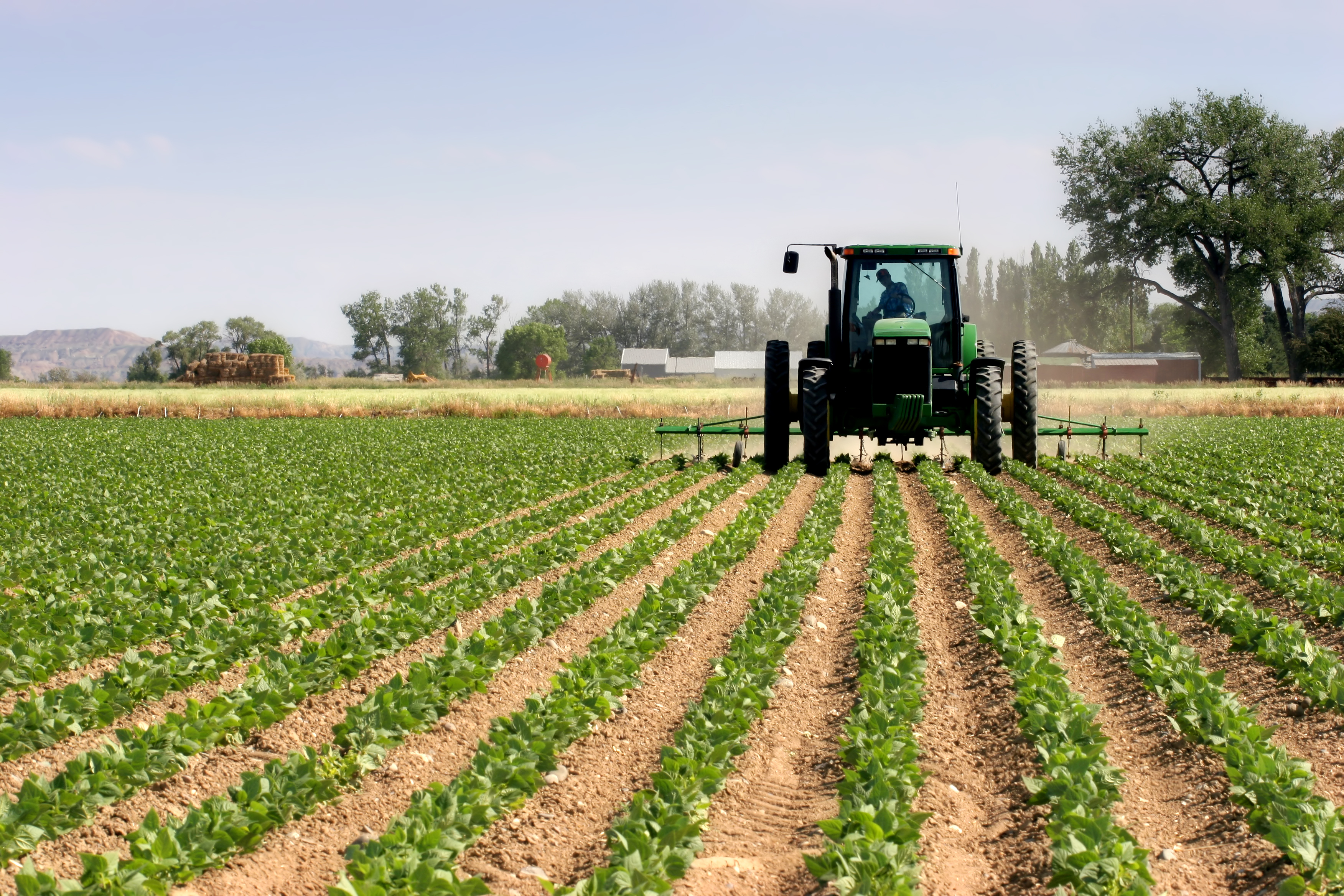
 There was a time in the United States when family owned and operated farms supplied the majority of the food we ate. By the middle of the 20th century, however, massive conglomerates had taken over most of the farming and ranching operations in the U.S., all but putting an end to family run farms. In the first two decades of the 21st century though, family farms have made a significant comeback across America. If you own a family farm, comprehensive and thorough estate planning will play an important role in the future success of your family farm. The Sacramento estate planning attorneys at the Northern California Center for Estate Planning & Elder Law explain why estate planning for family farmers is so important.
Estate Planning for the Family Farmer
Every adult should have at least a basic estate plan in place. If you own a small business, estate planning takes on a heightened importance. If that business happens to be a family farm, you face unique concerns that must be addressed to ensure that your family farm survives in the event of your death or incapacity. Among the most common obstacles a family farming operation encounters upon the death or disability of the family patriarch or matriarch are:
- Management continuity – if you were to become incapacitated tomorrow as the result of a tragic accident, who would step in an take over the management of the operation? Never assume that an adult child is willing and able to do so. Even if they are, does he/she has the legal authority and practical capacity to step into your shoes?
- Liquidity – family farms and ranches are notoriously asset rich and cash poor. The value of the farm may be tied up in assets such as livestock, seeds, produce, and equipment. If you were to die tomorrow, how would your estate pay any estate taxes due? Would your heirs have to sell much needed assets to raise the cash needed to pay the debt?
- Transitioning – if you plan to pass the farm down to the next generation you must start the process far enough ahead of time for your farm to make a successful transition. If, instead, you want the farm to be sold upon your death or incapacity, you must also start planning now to ensure that your loved ones receive the fair market value of your interest in the farm when the time comes to sell it.
Estate Planning Is the Answer
Fortunately, most of the potential problems and challenges a family farmer faces can be resolved with proper estate planning. For example, one of the best ways to ensure that your estate doesn’t lack the necessary liquidity to cover any gift and estate tax due is life insurance. As you get closer to retirement, you can start transitioning your ownership in the farm to the next generation which will ultimately resolve the estate tax concerns as well. Incorporating a business succession planning component into your estate plan is also advisable for anyone who owns a small business. In the case of a family farmer or rancher, that plan should foresee, and plan for, the transfer of ownership, over time, to the next generation. One way to do that is to form a Family Limited Partnership (FLP) which allows you to transfer your legal interest in the business to the next generation slowly, over time, while maintaining control over the day to day management of the operation until such time as you are ready to retire. If you do pass down the farm, a Buy-Sell agreement may be a good idea. A Buy-Sell agreement guarantees that you (or your loved ones) will receive the fair market value of your interest in the farm in the event you must sell it at a later date.
Please download our FREE estate planning checklist. If you have additional questions or concerns regarding estate planning for the family farmer, contact us at the Northern California Center for Estate Planning & Elder Law today by calling (916)-437-3500 or by filling out our online contact form.

- National Make-a-Will Month - August 1, 2026
- How Do Estate Planning Techniques Support Long Term Goals - March 27, 2026
- The Seedier Side of the Holiday Season - December 22, 2025
